




Energosteel’s Visit to Poland: Negotiations on Test Deliveries of Grinding Balls
02.02.2026
Energosteel Increased Steel Grinding Balls Exports by 79% in 2025
30.03.2026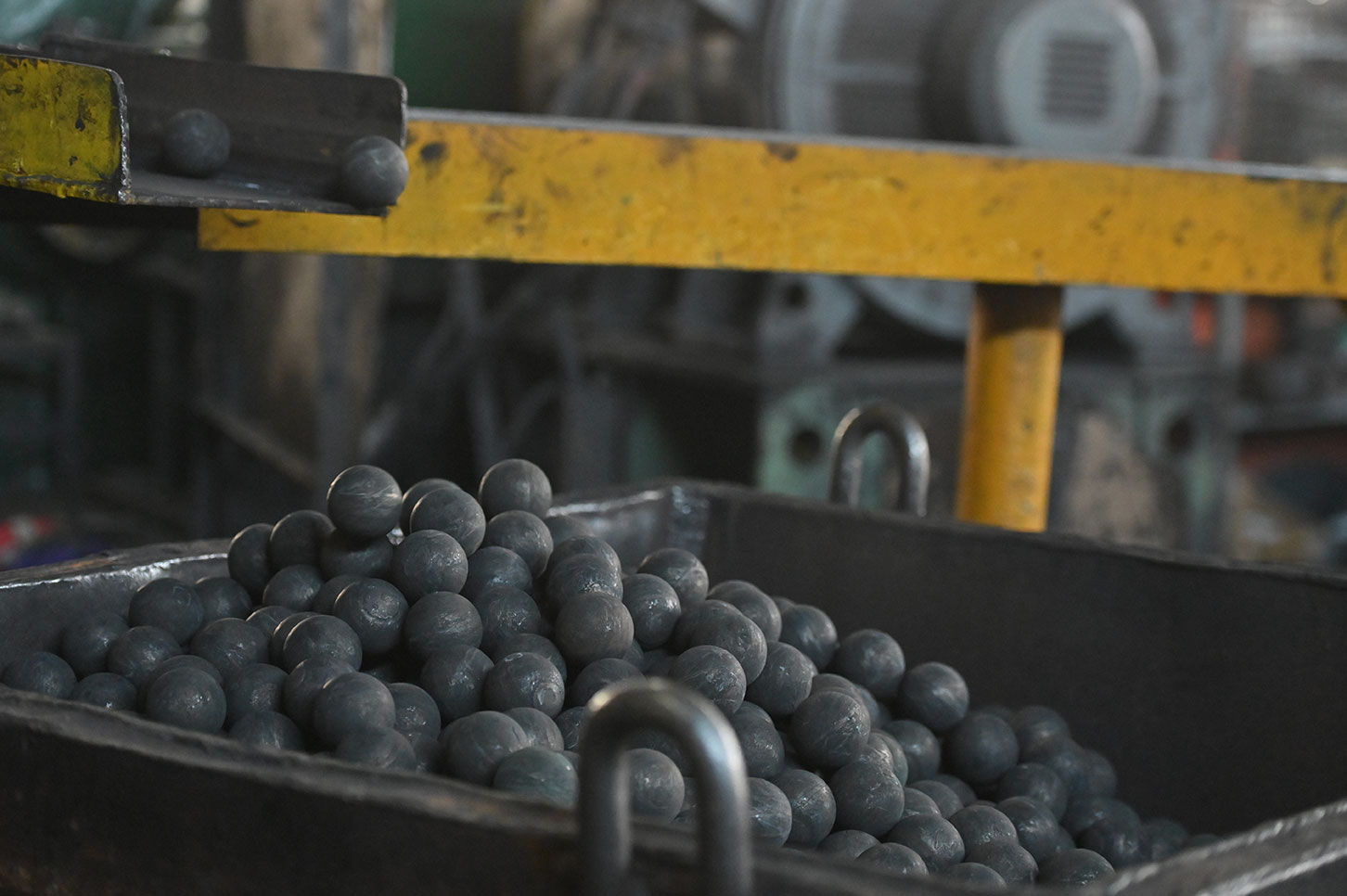
Forged Steel Grinding Balls
What Are Forged Steel Grinding Balls?
Forged steel grinding balls are high-strength grinding media used in ball mills, SAG mills, and rod mills for crushing and grinding raw materials in industrial processes.
These balls are manufactured by hot forging steel billets, which aligns the internal grain structure of the metal and significantly increases its toughness, durability, and wear resistance.
Forged grinding balls are widely used in industries such as:
-
Mining
-
Cement production
-
Metallurgy
-
Chemical processing
-
Power generation
Because of their high impact resistance and long service life, forged steel grinding balls are considered one of the most reliable grinding media for heavy-duty milling operations.
Key Facts About Forged Steel Grinding Balls
-
Manufactured by hot forging steel billets
-
Used in ball mills, SAG mills, and rod mills
-
Designed for high-impact grinding environments
-
Feature uniform hardness from surface to core
-
Provide longer service life than many cast grinding media
Typical diameters range from 20 mm to 150 mm, depending on the milling application.
How Forged Steel Grinding Balls Are Manufactured
The manufacturing process of forged steel grinding balls includes several critical stages that determine their final mechanical properties.
1. Raw Material Selection
High-quality steel is used as the base material. The steel composition typically includes:
-
Carbon
-
Manganese
-
Chromium
-
Silicon
These elements improve hardness, wear resistance, and impact strength.
2. Heating
Steel billets are heated to forging temperatures, allowing the material to become plastic and ready for forming.
3. Hot Forging
The heated billet is shaped into a spherical form using mechanical forging presses or rolling mills.
During forging, the steel grain structure becomes aligned, which significantly increases the mechanical strength of the grinding ball.
4. Heat Treatment
Forged balls undergo quenching and tempering to achieve optimal hardness and toughness.
This process creates through-hardened grinding balls, meaning the hardness remains consistent throughout the entire structure of the ball.
Advantages of Forged Grinding Balls
Forged steel grinding balls offer multiple advantages over other types of grinding media.
High Impact Strength
Forged balls can withstand repeated impacts inside large industrial ball mills without cracking.
Improved Wear Resistance
The forged microstructure reduces abrasion and surface wear during grinding operations.
Lower Breakage Rate
Forging eliminates most internal defects that may occur in casting processes.
Stable Grinding Performance
Because forged balls maintain their shape and size longer, they ensure consistent grinding efficiency.
Reduced Operating Costs
Although forged grinding balls may have a higher purchase price, their longer service life reduces:
-
Grinding media consumption
-
Mill downtime
-
Maintenance costs
Applications of Forged Steel Grinding Balls
Forged grinding balls are used in many industrial milling processes.
Mining Industry
Grinding balls are used in ball mills and SAG mills to grind ore and release valuable minerals such as:
-
Gold
-
Copper
-
Iron
-
Zinc
Cement Industry
In cement plants, forged grinding media are used to grind:
-
Clinker
-
Limestone
-
Slag
-
Raw cement materials
Metallurgical Processing
Grinding balls help process metal ores and improve mineral separation efficiency.
Chemical Industry
Forged steel grinding balls are used for grinding chemical raw materials and intermediates.
Forged vs Cast Grinding Balls
| Feature | Forged Grinding Balls | Cast Grinding Balls |
|---|---|---|
| Manufacturing method | Hot forging | Casting |
| Internal structure | Dense and uniform | Possible internal defects |
| Impact resistance | Very high | Moderate |
| Breakage rate | Low | Higher |
| Wear resistance | High | Moderate |
Because of their stronger internal structure, forged steel grinding balls are often preferred for large ball mills and high-impact grinding environments.
Environmental and Economic Considerations
The production of forged grinding balls requires energy-intensive heating and forging processes. However, modern manufacturing technologies have improved energy efficiency and reduced CO₂ emissions.
From an economic perspective, forged grinding balls provide long-term benefits because their durability leads to:
-
Lower replacement frequency
-
Reduced grinding media consumption
-
Improved milling efficiency
ENERGOSTEEL Forged Steel Grinding Balls
ENERGOSTEEL manufactures high-quality forged steel grinding balls designed for demanding industrial grinding applications.
Our grinding media provide:
-
High wear resistance
-
Reliable impact performance
-
Stable hardness
-
Long operational life
These characteristics make ENERGOSTEEL grinding balls suitable for large industrial mills and high-performance grinding operations worldwide.
Frequently Asked Questions
What are forged steel grinding balls used for?
Forged steel grinding balls are used in ball mills and SAG mills to grind raw materials such as ore, clinker, and minerals into fine particles.
Why are forged grinding balls stronger than cast balls?
The forging process aligns the steel grain structure and removes internal defects, resulting in higher impact strength and better durability.
What industries use forged grinding balls?
Major industries include mining, cement manufacturing, metallurgy, and chemical processing.
What sizes of grinding balls are available?
Forged grinding balls typically range from 20 mm to 150 mm in diameter, depending on the mill type and grinding stage.