



Energosteel team visits a long-standing partner – an aerated concrete manufacturer
13.08.2026
How Metal Ore Mining Is Changing in Europe
18.09.2026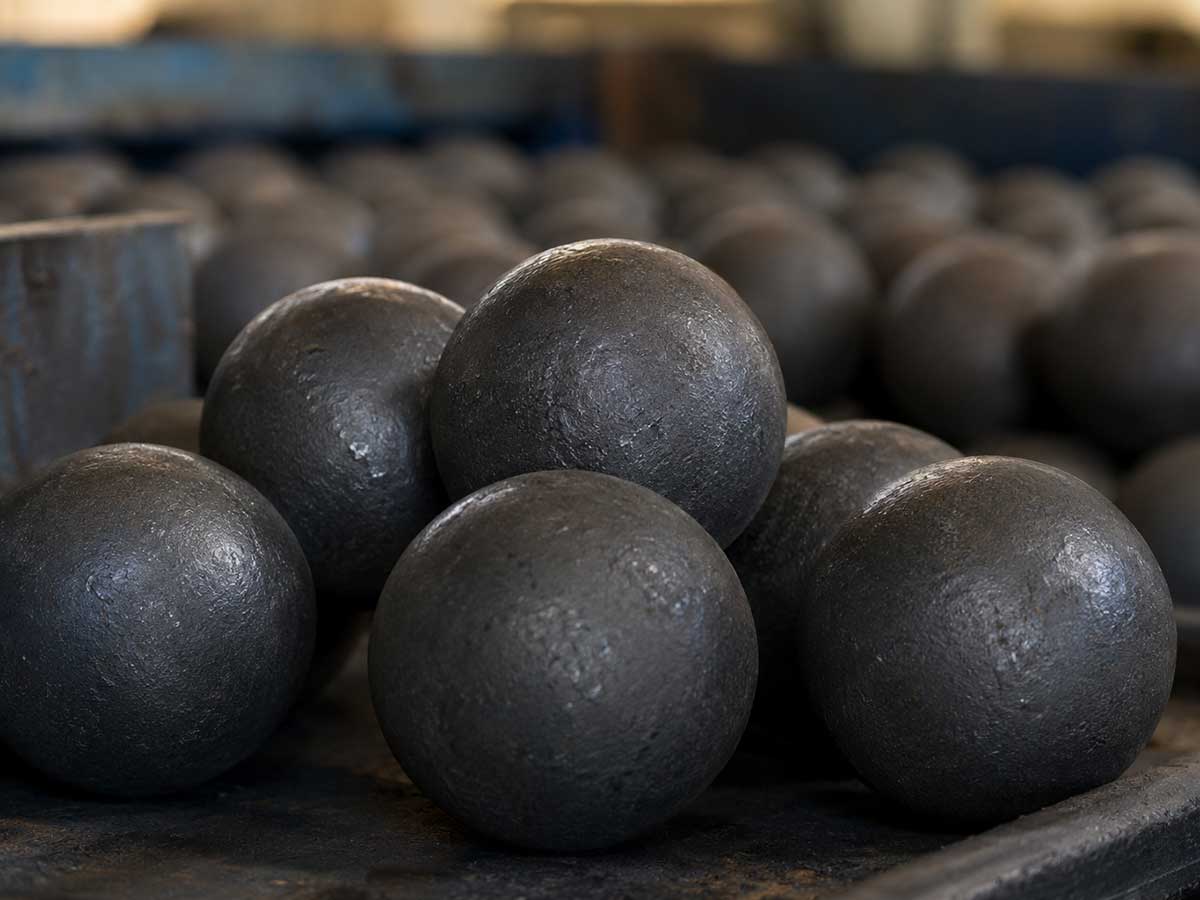
Over the past 15–20 years, the approach of European mining companies to selecting grinding ball suppliers has changed significantly. Whereas price, ball diameter, and hardness were once the primary selection criteria, today's requirements have become much broader.
- Price is no longer the sole criterion. In the past, grinding balls were often evaluated mainly on the basis of price per tonne and basic technical characteristics. Today, large mining companies increasingly focus on overall performance, including grinding media consumption, mill productivity, grinding stability, and the consistency of results under industrial operating conditions. In other words, suppliers are expected not only to demonstrate compliance with technical specifications but also to prove their ability to deliver predictable performance in actual grinding operations.
- The importance of technical support has increased. Whereas suppliers were once expected primarily to deliver products, many European mining companies now expect much more. This includes participation in industrial trials, analysis of test results, recommendations on ball charge management, and technical support when grinding conditions change.
This reflects the fact that grinding media consumption depends not only on the quality of the grinding balls themselves but also on ore characteristics, mill operating conditions, liner condition, and other process-related factors. - Higher requirements for quality consistency. For European customers, not only the performance of an individual shipment is important, but also the consistency of product characteristics from one delivery to the next. This includes the repeatability of the chemical composition, hardness, heat treatment quality, and the overall performance of the grinding balls in the mill.
For mining operations, this is critical because even minor variations can affect grinding performance and make it more difficult to accurately evaluate grinding media consumption. - Greater attention to logistics and supply reliability. Following the pandemic, the energy crisis, and disruptions to global supply chains, logistics has become an important competitive factor. European mining companies increasingly value predictable delivery times, the availability of local warehousing or an import structure within the EU, and the supplier's ability to respond quickly to additional customer requirements.
- The importance of transparency and environmental data is growing. In recent years, European companies have placed increasing emphasis not only on the technical characteristics of products but also on production transparency, the origin of raw materials, and environmental performance. In this context, the importance of CBAM is also gradually increasing, driving greater interest in the carbon footprint of metallurgical products and in suppliers' ability to provide the relevant environmental data.
Conclusion
Today, European mining companies evaluate grinding ball suppliers using a much broader set of criteria than they did 15–20 years ago. Competition is becoming less focused on price per tonne alone. Instead, greater importance is being placed on consistent product quality, technical support, reliable logistics, and production transparency. These factors are increasingly determining whether a supplier can establish and maintain a strong position in the European market.